Gunnison, Colorado
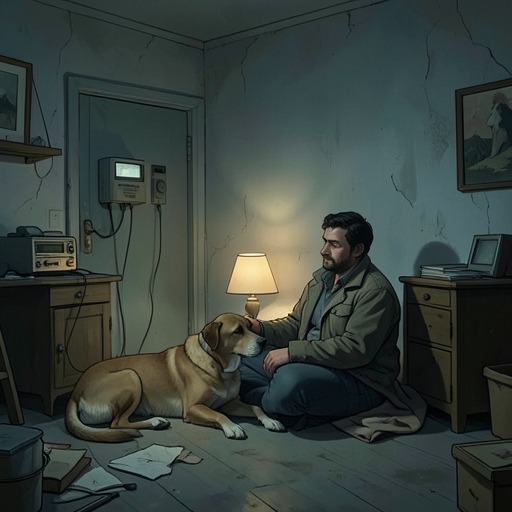
A Dog's Way HomeGunnison, Colorado, is both the longtime home of Axel’s family and the setting associated with the last stretch of his life with Bella. The community reaches toward him through Tom, food, and an offer of belonging, yet the public spaces where Axel and Bella shelter are conditional: when their presence unsettles park visitors, they have to move. The story’s shift from park to riverbank makes Gunnison more than a backdrop, tracing how care and exclusion occupy the same local landscape.
Community and Local Ties
Axel’s connection to Gunnison reaches back through his family. Tom explains that Axel’s father spoke to people there before leaving for Afghanistan, hoping they would look after his son after his own death. He points to the family’s long history in Gunnison and tells Axel that the community considers itself his family. Axel rejects the claim, insisting that he has no family. The exchange sets two ideas of belonging against each other: a network of people who believe they have a responsibility to him, and Axel’s painful refusal or inability to recognize that support as family.
Tom’s visits give that offer a practical form. Every few days, he brings food and puts it in plastic boxes. Axel sometimes welcomes him and talks with him; at other times he grows hostile, and Tom leaves after giving Bella a small treat. His care persists without requiring Axel to respond warmly. The boxes, the repeated visits, and the treat are small, concrete gestures, but they make the community’s presence tangible even when Axel’s trust in it is uncertain.
The Park as Temporary Shelter
For a time, Axel and Bella spend their days in town and shelter in a park. They sit on a blanket while passersby put money into a can; Axel sometimes crosses the street to bring back a bottle that smells like Sylvia. At other times, he leaves Bella tied to a fence for what feels to her like a long while, then returns and takes her directly to the tent. These repeated trips turn the park and surrounding streets into part of their precarious routine: a place to sit among people, but not a settled home.
As the weather warms, the park becomes more crowded and its competing uses harder to ignore. Families arrive, children play on the slides, and other people want to use the shelter. Tom tells Axel that no one is technically allowed to remain there after dark, and that visitors are intimidated by his presence. He reports complaints and offers to keep Axel’s heater. Axel answers by packing his belongings into a cart and leaving. The exchange does not erase Tom’s concern for him, but it shows the limits of that concern: the park can serve as shelter only while Axel’s presence does not conflict with the rules or comfort of other users.
From the Park to the River
After leaving, Axel pushes his cart a long way along the road beside the river, then turns down a path to a low, sandy stretch of bank. He rebuilds his tent there and settles in as though he expects to stay. The move replaces a shared public shelter with a more secluded camp. The riverbank offers a place to remain, but the change also leaves Axel and Bella farther from the everyday contacts of the park.
The surroundings register the passage of time. The sun grows warmer, insects and birds fill the air, and squirrels appear in the park; children play while the grass looks moist and healthy. This seasonal change contrasts with Axel’s worsening condition rather than resolving it. He increasingly shouts in his sleep and speaks loudly to Bella while gesturing at the sky. At times he leaves her tied to a stump while he goes toward town, returning with a pencil and seeming happy only briefly before collapsing into deep sleep. The account does not explain the object or his trips in further detail, but it makes their recurring pattern part of life along the river.
The bank also shapes Bella’s immediate awareness of danger. One night she detects a coyote across the water and growls, while Axel does not respond to its smell or her agitation. The coyote eventually retreats, and the river separates it from the tent; Bella’s vigilance, rather than Axel’s, defines the scene’s watchfulness. The landscape is not simply refuge. Its open ground and flowing water offer some protection while exposing how little Axel can attend to what is around them.
The Riverbank and Axel’s Death
Axel’s death occurs at the end of this period by the river. He tells Bella that she is his best friend, then slumps into the dirt. She curls beside him to comfort him as his breathing slows and stops. Bella remains with him through the night, her head against his cooling chest. The scene gives the riverbank its final significance: it is where Axel has made a place to stay after leaving the park, and where Bella’s loyalty becomes the last companionship present at his death.
Gunnison is thus associated with both a community that tries to claim Axel and spaces from which he is displaced. Tom’s repeated visits and the local family’s offer of care complicate any account of him as wholly abandoned; his rejection of that offer, the park’s restrictions, and his move to the isolated bank show how incomplete that care remains. The progression from plastic food boxes in the park to a rebuilt tent by the river ends not in a return to the community, but with Bella keeping vigil beside Axel.